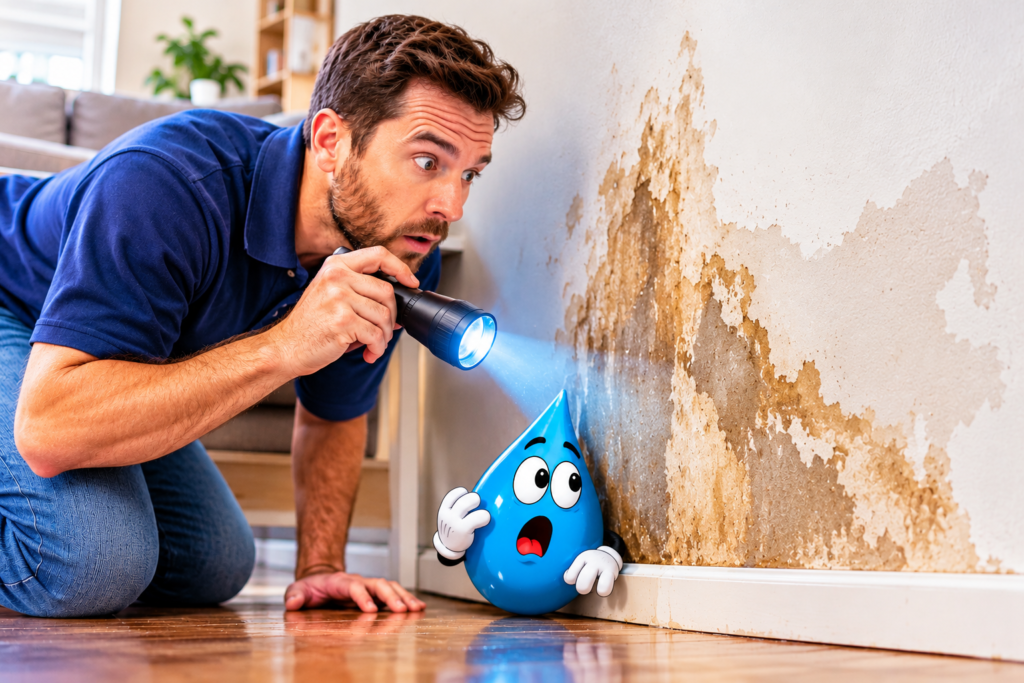
Signs of a Water Leak Behind Bathroom Tiles

Water Leaks Underneath Tile Surrounds In Bathrooms: What To Look For

Hidden water leaks under tile surround can lead to serious structural damage by the time you see some kind of sign of the problem. Moisture can seep into walls surrounding shower areas, tub surrounds, and bathroom floors. That same moisture can weaken drywall and floor materials as well as foster mold growth. Fortunately, there are usually warning signs that occur prior to significant damage occurring in a bathroom. Identifying those signs can help you save money on future repairs, and possibly save your home.

The Importance Of Early Detection Of A Water Leak Underneath Tile Surrounds

Water can easily accumulate under a layer of tile without creating any noticeable puddles. As time passes, that accumulated moisture can begin damaging the materials located directly under the surface of your bathroom. The sooner you detect the water leak under your tile surround, the better you will be at identifying the original source of the leak, before it grows out of control.

1. Loosening Or Separating Bathroom Tiles

Loosened tiles can indicate a potential moisture-related issue behind either a wall or the floor of your bathroom. Water can damage the adhesive used to hold tiles in place (or reduce its effectiveness) as well as damage the top surface of whatever is supporting the tile.

Tiles that are loose may shift slightly when pressed upon, or make a hollow sound when lightly tapped. Poorly installed tile(s), however, could potentially exhibit the same characteristics; therefore, additional investigation may be warranted.

2. Cracking And/Or Deteriorating Grout

Grout serves as a filler between layers of tiles. With time, grout may become cracked, crumbled, broken down due to a combination of factors including, but not limited to, old age, movement caused by settling of foundations, or exposure to excess moisture.

Damaged grout provides a pathway for moisture to pass through to the material below where the tile(s) were originally installed. However, simply finding cracks in grout does not automatically mean there is a plumbing-related leak.

Take a close look at grout in your bathrooms’ showers, bathtubs and/or floors. If damaged areas continue to develop over time, have a professional check for signs of hidden moisture.

3. Unpleasant Odors Within The Bathroom

There exists the possibility that if you’ve noticed a persistent musty odor within your bathroom that has been difficult to get rid of despite your best efforts at cleaning and providing adequate ventilation that it’s indicative of moisture being trapped behind your tile surround. The presence of hidden leaks in your plumbing can create a moist environment behind the walls and floors of enclosed spaces such as bathrooms. This creates an ideal setting for mold and mildew development.

Even though surface mold is likely to be present in your bathroom due to normal condensation, it’s possible that recurring growth indicates that there’s moisture behind your tile surround. Check whether mold develops again immediately after you clean it up. A professional will need to conduct an assessment to determine what is causing the problem.

4. Mold/Mildew On/Between Tiles In The Bathroom

Mold and mildew often grow in areas with elevated amounts of moisture. Discoloration in the form of dark spots can be seen along grout lines of the tiles as well as at corners of your shower and/or tub edges can be indicative of a moisture related issue.

Condensation can also contribute to surface mold in bathrooms. Recurring mold development in the same general area suggests that there’s moisture existing behind the tiles.

Assess how quickly mold regrows after cleaning. A certified professional should assess the root cause of the problem.

5. Wall/Wall Surface Damage

Leaks behind bathroom tile can eventually migrate into surrounding walls. Keep an eye on walls adjacent to your shower, bathtub and/or plumbing fixtures. Ceiling stains above an upstairs bathroom can indicate that there’s a hidden leak somewhere in your ceiling/walls.

Don’t ignore repeated instances of wet/damp patches. Wet/damp patches in walls may be an indication that water has migrated into your building materials.

6. Soft/Floored Areas Beneath Your Bathroom Floors

Excess moisture migrating under tile surrounding your bathroom can compromise the integrity of the sub-floor beneath it. Prolonged exposure to water/moisture may soften the wood (and/or other materials) comprising your sub-floor.

Check to see if your bathroom floor feels soft or spongy. Also watch for uneven surfaces and displaced/buckling tile(s). These types of issues don’t always represent a single cause (ie. leak); thus, an assessment by a trained/certified plumber/professional may be required.

7. Peeling Paint Around The Area Of Your Bathroom

Hidden leaks behind a shower tile surround can penetrate walls adjacent to them which contain drywall/painted surfaces.

Be aware of bubbled paint, peeling finishes and/or color changes on painted surfaces shared by adjacent rooms containing bathrooms.

In many cases, a certified professional can help you understand what type of moisture issue exists (waterproofing/plumbing etc.) based on the extent/degree of damage.
Old Pipes? New Problems. Why Whole Home Repiping Improves Comfort, Safety, and Reliability

Plumbers usually do not discover major pipe problems until homeowners notice warning signs. These signs may include low water pressure, yellow or rust-colored water, recurring leaks, or rising repair costs. Unfortunately, many small repairs only patch aging plumbing systems temporarily. Over time, additional failures often appear in other sections of the home.

For this reason, many homeowners choose whole-home repiping. A whole-home repiping project replaces old water supply pipes with modern, durable piping materials designed for long-term performance.

When homeowners invest in whole-home repiping, they often experience stronger water flow, improved plumbing reliability, and lower risks of future water damage. Repiping also reduces the constant need for repeated leak repairs.

AC Plumbing provides professional whole-home repiping services throughout San Diego. Our team helps homeowners modernize outdated plumbing systems with efficient installation and dependable workmanship.

Common Warning Signs That Old Pipes Need Replacement

Older homes often contain outdated piping materials that wear down over time. Corrosion, sediment buildup, and aging pipe connections can eventually create serious plumbing issues.

Some common warning signs include:

  • Leaks in multiple areas of the home
  • Low or inconsistent water pressure
  • Rust-colored or discolored water
  • Unusual plumbing noises
  • Water stains on walls or ceilings
  • Pipes made from galvanized steel
  • Increasing plumbing repair costs

As old pipes continue deteriorating, homeowners face greater risks of hidden leaks and expensive water damage.

Instead of paying for repeated short-term repairs, many homeowners choose whole-home repiping to improve system reliability and lower future maintenance costs.

Learn More About Residential Plumbing Services

👉 Visit our residential plumbing services page:
Residential Plumbing Services

For additional plumbing safety resources, visit:
International Code Council Plumbing Resources

Benefits of Modern Piping Materials

Whole-home repiping replaces outdated plumbing lines with modern piping materials that provide stronger durability and improved efficiency.

One major benefit is improved water pressure. Older pipes often develop corrosion or sediment buildup inside the lines. This buildup restricts water flow and makes daily activities more difficult.

New piping systems restore proper water flow throughout sinks, showers, and appliances.

Modern piping materials also help improve water quality. Corroded pipes may introduce rust particles and sediment into household water. Repiping helps provide cleaner and safer water for everyday use.

Homeowners also gain peace of mind knowing their plumbing system is less likely to experience sudden pipe bursts or hidden leaks.

Whole-Home Repiping Helps Prevent Water Damage

Hidden leaks are one of the biggest dangers associated with old pipes. Small leaks behind walls or beneath flooring may go unnoticed for weeks or months.

Over time, water damage can affect:

  • Drywall
  • Carpet and flooring
  • Kitchen cabinets
  • Insulation
  • Wood framing
  • Electrical systems

Excess moisture may also lead to mold growth and structural damage.

Whole-home repiping helps prevent these issues before major failures occur. Early plumbing upgrades often save homeowners thousands of dollars in future restoration costs.

AC Plumbing helps customers identify aging plumbing systems before severe damage develops.

Durable Materials Provide Long-Term Reliability

Modern piping systems last longer and require less maintenance than many older plumbing materials. They resist corrosion more effectively and maintain better water pressure over time.

During a repiping project, plumbers can also improve system layouts and replace outdated plumbing connections that no longer meet current code standards.

Before beginning any project, AC Plumbing carefully evaluates the home’s plumbing system, layout, and overall condition. This process allows our team to recommend the best repiping solution for each property.

Our goal is to provide long-term plumbing improvements that support reliability, comfort, and daily convenience.

Explore Plumbing Repair and Upgrade Services

👉 Learn more about plumbing repair and upgrade solutions:
Plumbing Repair and Upgrade Services

For water quality information, visit:
EPA Drinking Water Information

Why Quality Workmanship Matters During Repiping

Whole-home repiping is a major plumbing upgrade that requires careful planning and skilled installation. Poor workmanship can create leaks, water pressure problems, and future plumbing failures.

Professional installation helps ensure:

  • Proper pipe sizing
  • Consistent water pressure
  • Secure pipe connections
  • Efficient plumbing layouts
  • Compliance with plumbing codes
  • Long-term plumbing performance

AC Plumbing focuses on quality workmanship during every repiping project. Our technicians work efficiently while maintaining high installation standards from start to finish.

We also communicate clearly throughout the process so homeowners understand each stage of the project.

Whole-Home Repiping Can Increase Property Value

Repiping does more than solve plumbing issues today. It also improves the long-term value and reliability of the home.

Updated plumbing systems attract buyers because they reduce future repair concerns and improve overall property condition.

Homeowners who invest in whole-home repiping benefit from a safer, more dependable plumbing system that supports comfort and functionality for many years.

Conclusion

Old pipes can create serious plumbing problems that affect water quality, water pressure, and overall home safety. Frequent leaks, corrosion, and aging materials often lead to costly repairs and ongoing frustration.

Whole-home repiping provides a long-term solution by replacing outdated plumbing systems with modern, reliable piping materials designed for improved performance and durability.

AC Plumbing helps homeowners throughout San Diego upgrade aging plumbing systems with professional repiping services focused on quality workmanship and dependable results.

If your home is experiencing recurring plumbing problems or signs of pipe deterioration, contact AC Plumbing today to learn how whole-home repiping can improve the safety, reliability, and comfort of your home.